
CBD Oils
Showing all 9 results
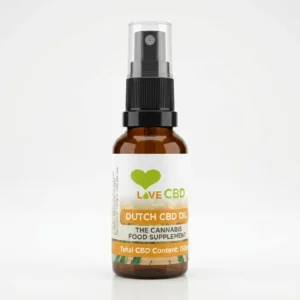
Love CBD Dutch CBD Oil 150 mg
Love CBD
150 mg CBD · 20 ml · £9.99 at Love CBDAvailability depends on your country.
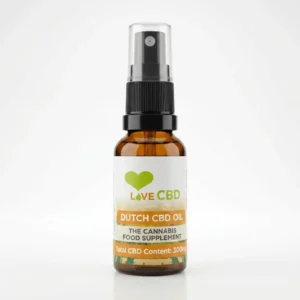
Love CBD Dutch CBD Oil 300 mg
Love CBD
300 mg CBD · 20 ml · £18.99 at Love CBDAvailability depends on your country.
Love CBD Dutch CBD Oil 500 mg
Love CBD
500 mg CBD · 20 ml · £28.99 at Love CBDAvailability depends on your country.
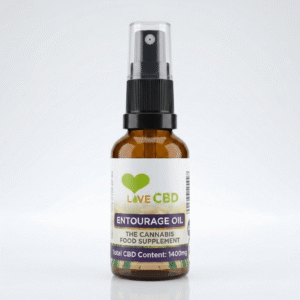
Love CBD Entourage CBD Oil 1400 mg
Love CBD
1400 mg CBD · 20 ml · £79.99 at Love CBDAvailability depends on your country.
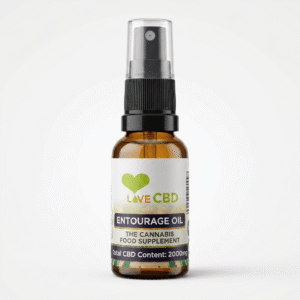
Love CBD Entourage CBD Oil 2000 mg
Love CBD
2000 mg CBD · 20 ml · £99.99 at Love CBDAvailability depends on your country.
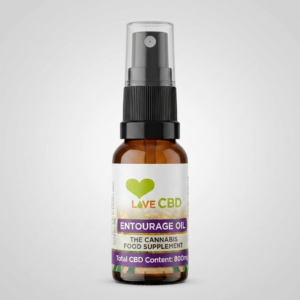
Love CBD Entourage CBD Oil 800 mg
Love CBD
800 mg CBD · 20 ml · £48.99 at Love CBDAvailability depends on your country.
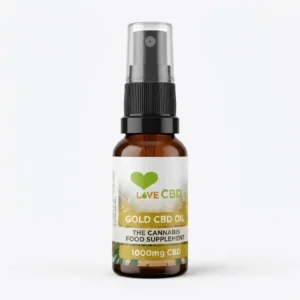
Love CBD Gold CBD Oil 1000 mg
Love CBD
1000 mg CBD · 20 ml · £39.99 at Love CBDAvailability depends on your country.
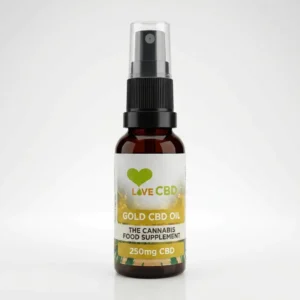
Love CBD Gold CBD Oil 250 mg
Love CBD
250 mg CBD · 20 ml · £12.99 at Love CBDAvailability depends on your country.
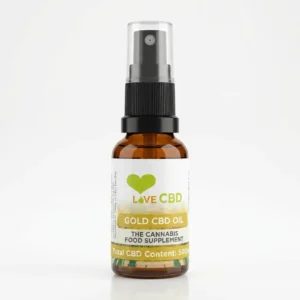
Love CBD Gold CBD Oil 500 mg
Love CBD
500 mg CBD · 20 ml · £22.99 at Love CBDAvailability depends on your country.
CBD oils are hemp extracts containing cannabidiol (CBD), dissolved in a carrier oil and sold in dropper bottles. This category brings together CBD oils from our partner brands. Each Buy at {brand} button takes you to the brand’s own website. Each product page shows the brand and the label facts. We make no health claims.
What to look for on a CBD oil label
- CBD strength (%): the share of CBD in the oil, as declared by the manufacturer. A 10% oil contains more CBD per drop than a 5% oil.
- Total CBD (mg): the CBD in the whole bottle. Comparing milligrams per millilitre is often clearer than comparing percentages between brands.
- Net volume: the amount of oil in the bottle, for example 10 ml.
- Spectrum: full spectrum, broad spectrum or isolate (explained below).
- Carrier oil: the oil the extract is dissolved in, such as hemp seed oil, MCT oil or olive oil.
- Batch number: links the bottle to the laboratory’s certificate of analysis (COA) for that production batch.
More detail in our CBD oil guide: how to read the label.
Full spectrum, broad spectrum and isolate
Full spectrum extracts keep a wider range of the hemp plant’s naturally occurring compounds, which can include traces of THC. Broad spectrum extracts are processed with the aim of removing THC while keeping other compounds. Isolate-based oils use purified CBD only. These terms describe what is in the bottle, not what it does: we make no claim that one type works better than another. Whatever the label says, the batch lab report shows the measured THC result.
Why the batch lab report matters
A certificate of analysis (COA) is the laboratory’s report for one specific production batch. It shows the measured cannabinoid content, including THC, and, where tested, results for contaminants such as heavy metals, pesticides, residual solvents and microbiology.
See CBD vs THC.
CBD oil and EU food law
In the EU, CBD extracts intended to be eaten, including oils taken by mouth, are considered novel foods and need a novel food authorisation before they can be sold in any food form. National rules differ and the position is still developing. We follow it closely. We show Buy at {brand} links only in countries where we have confirmed that promoting the product is permitted. Read more in What is CBD?
Common questions about CBD oil
What does “10%” mean on a CBD oil?
It is the declared share of CBD in the oil. In a 10 ml bottle, 10% usually corresponds to about 1,000 mg of CBD, but brands calculate and round differently, so check the total milligrams on the label and the measured value in the batch lab report.
Does CBD oil contain THC?
It can. Full-spectrum oils may contain traces of THC; broad-spectrum and isolate oils aim to contain none. The certificate of analysis shows the measured result for the batch. THC compliance must be verified against the exact product classification, destination jurisdiction and applicable legal limit.
Is CBD oil hemp seed oil?
No. Hemp seed oil is pressed from the seeds and contains little or no CBD. CBD oil is made from an extract of the hemp plant, often dissolved in hemp seed oil or another carrier oil. Check the label for the CBD content in milligrams.
Related guides
General information only, not medical advice. We make no health claims for any product.